
Leading Products For Wall Repair Service Professionals
Explore top tools and supplies that ensure efficient and effective wall repairs for both DIY enthusiasts and experts.
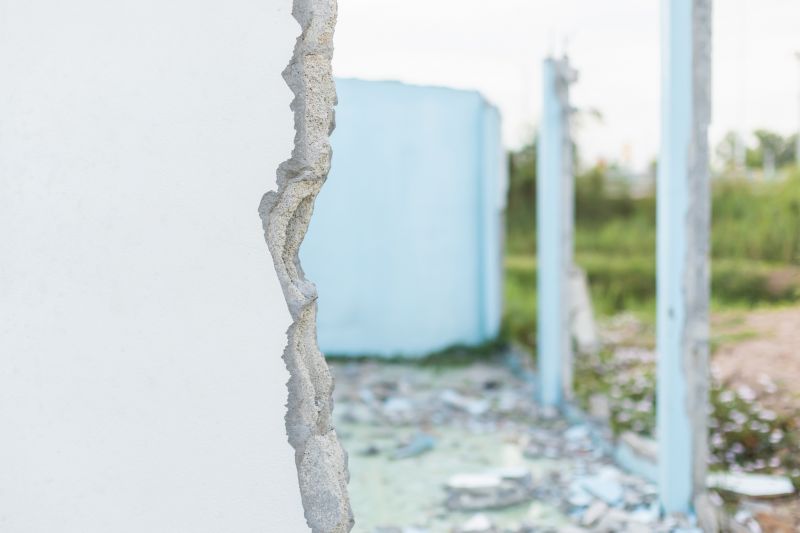 Wall repair is a common task for maintaining the integrity and appearance of interior and exterior surfaces. Whether dealing with minor cracks, holes, or larger damage, selecting the appropriate products can significantly influence the ease and quality of the repair process. A variety of tools and materials are available to address different types of wall imperfections, each designed to provide a smooth, durable finish. From patching compounds to sanding tools, understanding the options can help ensure a successful repair outcome.
Top Overall Option
Multi-Purpose Wall Repair Kit
A comprehensive repair kit that includes various fillers, trowels, sanding tools, and primers, designed to handle a wide range of wall damage. Its versatility makes it suitable for both small touch-ups and larger repairs, providing all-in-one convenience for DIY enthusiasts and professionals alike.
Types of Products For Wall Repair Service
Ready-Mix Wall Filler
Pre-mixed compounds that are easy to apply for quick repairs of small holes and cracks.
Patch Repair Kits
Complete kits including patches, compounds, and tools for repairing larger wall damages.
Joint Compound
Versatile compound used for taping, filling, and finishing drywall seams and imperfections.
Spackle
Lightweight filler ideal for small holes and surface blemishes.
Reinforcement Mesh
Mesh materials used to strengthen repairs on larger cracks or holes.
Sandpaper and Sanding Blocks
Tools for smoothing repaired surfaces and preparing for painting.
Primer
Primers help to prepare repaired areas for painting and improve adhesion.
Paintable Textures
Textures that blend repaired areas with existing wall surfaces for a seamless look.
Putty Knives
Tools used for applying and smoothing fillers and compounds.
Taping Tools
Specialized tools to assist with applying drywall tape for seamless joints.
Drywall Screws and Anchors
Fasteners used to secure drywall patches and repair panels.
Electric Sander
Power tools for efficient surface preparation and smoothing large areas.
Painting Supplies
Brushes, rollers, and sprayers for finishing wall repairs with paint.
Dust Masks and Gloves
Protective gear essential for safety during sanding and compound application.
Texture Sprayers
Tools for applying textured finishes to repaired walls for matching existing surfaces.
Popular Choices
A popular choice among DIYers for its variety of included products and ease of use.
Favored for small repairs due to its smooth application and quick drying time.
Commonly used for taping drywall seams and filling cracks for a professional finish.
Preferred for efficient surface smoothing, especially on larger repair areas.
Versatile compound suitable for multiple repair applications on drywall and plaster.
Popular for their comfort and precision during application of fillers.
Widely used for matching textured wall surfaces after repairs.
Frequently chosen for completing the finishing process after repairs.
Trusted for their durability and ability to smooth repaired surfaces effectively.
Popular for reinforcing larger cracks and preventing future damage.
Used to blend repaired areas seamlessly with existing wall surfaces.
Chosen for quick repair jobs where time efficiency is desired.
When undertaking wall repairs, it is important to assess the extent of the damage and choose products accordingly. For small holes and cracks, ready-to-use compounds and fillers can offer quick and effective solutions. Larger repairs may require more robust patching materials, reinforcement meshes, or even specialized repair kits. Proper surface preparation, such as cleaning and sanding, enhances adhesion and results in a seamless finish. Additionally, finishing products like primers and paints are essential for blending repaired areas with the existing wall surface.
The selection of tools also plays a critical role in achieving professional-looking results. Trowels, putty knives, sanding blocks, and brushes are common items that facilitate the application and finishing of repair materials. Safety considerations, such as wearing masks and gloves, are important when working with certain compounds, especially those with strong fumes or dust. Investing in quality products can make the repair process more manageable and lead to more satisfactory results, whether for DIY projects or professional services.
Overall, a well-rounded approach to wall repair involves choosing the right combination of repair compounds, tools, and finishing products. Proper technique and patience are key to restoring walls to their original condition, minimizing the appearance of repairs, and prolonging the lifespan of the surface. With the right products and knowledge, even challenging wall damage can be effectively addressed, improving both the aesthetics and structural integrity of interior and exterior surfaces.
Key Buying Considerations
- Assess the size and depth of the wall damage to determine the appropriate repair product.
- Choose products compatible with your wall type, such as drywall, plaster, or brick.
- Consider the ease of application, especially if you are a DIY beginner.
- Check drying and curing times to plan your repair schedule effectively.
- Select tools and compounds that provide a smooth finish and good adhesion.
- Evaluate safety features, including low fumes and easy cleanup options.
- Opt for products that match the existing wall texture for a seamless look.
- Review product packaging to ensure it includes all necessary components or accessories.
- Think about the long-term durability and whether additional finishing steps are required.
- Budget for quality products that offer reliable performance and ease of use.
- Consider environmental factors, such as moisture exposure, that may influence product choice.
- Read customer reviews to gauge real-world performance and satisfaction.
- Determine if additional supplies like primers or paint are needed for complete repair.
- Evaluate the availability of customer support or technical assistance from suppliers.
- Decide between professional-grade products and user-friendly DIY options based on your skill level.
This page contains affiliate links. We may earn a commission if you make a purchase through these links, at no additional cost to you. Our recommendations are based on providing helpful and neutral information for wall repair needs.