Common Causes of Damage in Brick, Stone, and Block Walls
Understanding common causes of damage in brick, stone, and block walls helps you find local contractors who can effectively repair and restore your wall's strength and appearance.
Understanding the common causes of damage in brick, stone, and block walls is essential for property owners looking to preserve the integrity and appearance of their structures. Over time, factors such as moisture infiltration, freeze-thaw cycles, and structural settling can lead to cracks, spalling, or even more serious deterioration. Recognizing these issues early can help prevent costly repairs down the line and maintain the safety of the building. Local contractors specializing in brick, stone, and block wall repair are equipped to assess these problems and recommend effective solutions tailored to the specific causes at play.
For property owners in the area, exploring the typical reasons behind wall damage offers practical insights into how to protect their investment. Whether it’s addressing water seepage, controlling environmental stresses, or correcting foundational shifts, understanding these factors highlights the importance of professional repair services. Connecting with experienced local service providers ensures that any damage caused by these common issues can be properly managed, helping walls stay strong and durable for years to come. Keep reading to learn more about how these causes impact brick, stone, and block walls and what options are available to address them.
- Brick wall repair - needed when cracks or mortar deterioration occur due to moisture infiltration or settling, with local contractors assessing and restoring the structure.
- Stone wall repair - required when shifting or weathering causes stones to loosen or crack, and service providers use specialized techniques to stabilize and rebuild.
- Block wall repair - necessary when damage from freeze-thaw cycles or impact results in broken or shifted blocks, with local experts replacing or realigning the affected areas.
- Brick wall repair - needed when efflorescence or spalling appear from water damage, prompting local pros to remove damaged mortar and repoint or replace bricks.
- Stone wall repair - essential when biological growth or pollution causes surface deterioration, with local contractors cleaning and sealing to prevent further damage.
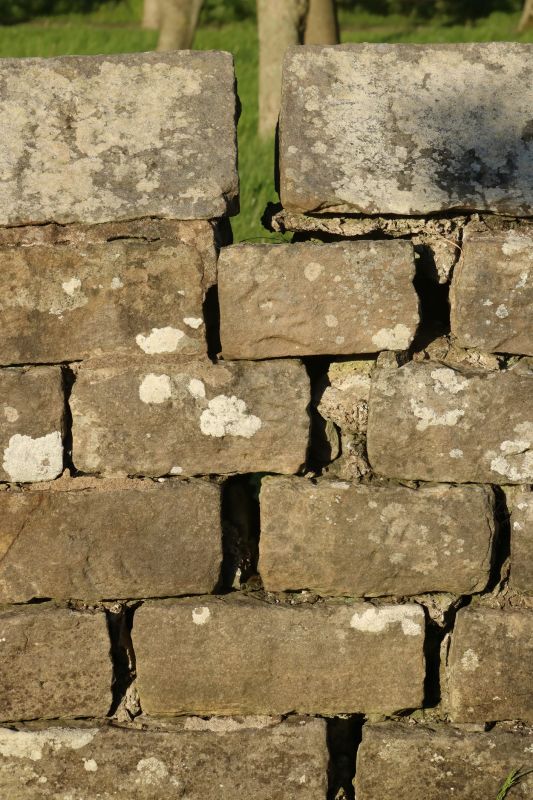
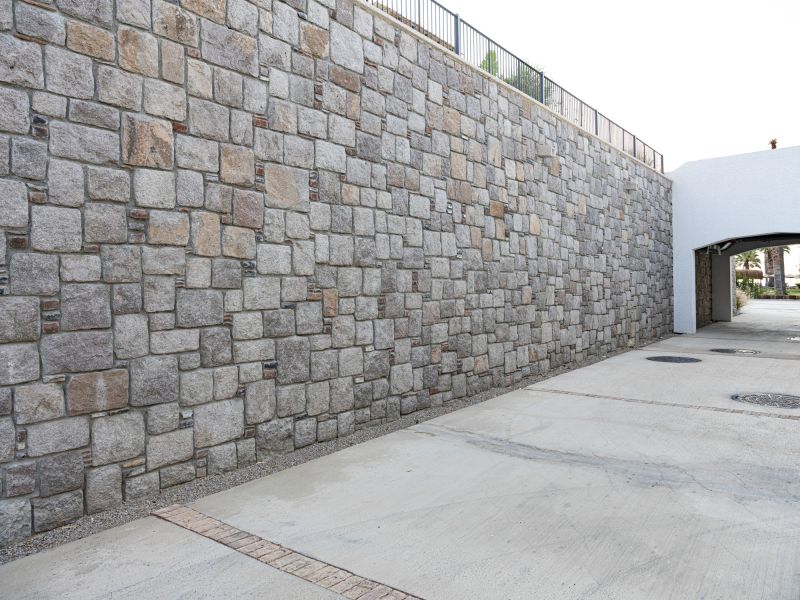
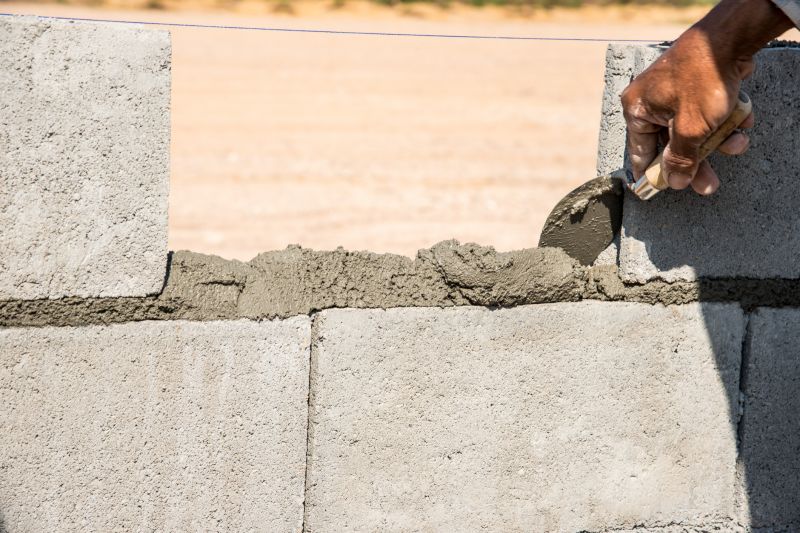
When searching for information about common causes of damage in brick, stone, and block walls, homeowners are typically trying to understand why their existing masonry structures may be deteriorating or showing signs of trouble. This topic often relates to ongoing property maintenance, repair planning, or assessing the need for restoration work. People may be concerned about cracks, bulges, or crumbling sections in their walls, seeking to identify the root issues that could compromise the structural integrity or appearance of their property. Such damage can affect a wide range of properties, including residential homes, commercial buildings, retaining walls, and boundary fences, making it a common concern for property owners of all types.
Understanding what leads to damage in these types of walls involves exploring several common causes. Moisture intrusion is a primary factor, as water can seep through cracks or porous materials, leading to freeze-thaw cycles that expand existing weaknesses. Poor drainage around a property can exacerbate this problem, allowing water to pool near the foundation or wall base. Additionally, structural movement caused by soil settling, shifting, or inadequate foundation support can put stress on masonry walls, resulting in cracks or leaning. Exposure to harsh weather conditions, such as freeze-thaw cycles, heavy rains, or strong winds, can also accelerate deterioration. Over time, the natural aging process of mortar joints and masonry units can lead to crumbling or loose sections, especially if maintenance has been neglected.
The types of damage that commonly occur in brick, stone, and block walls are often visible and tangible, making it easier for property owners to recognize when repairs are needed. These include cracked or bowed walls, loose or missing mortar joints, efflorescence (white salt deposits), spalling or flaking masonry, and water stains or mold growth. Such issues not only affect the visual appeal but may also threaten the stability of the structure. Local contractors who specialize in masonry repair are experienced in diagnosing these problems, determining their causes, and recommending appropriate solutions. Whether it involves repointing mortar, reinforcing the wall, or addressing underlying drainage issues, these service providers play a vital role in restoring and preserving masonry structures.
For property owners facing damage in brick, stone, or block walls, understanding the common causes helps in planning effective repairs and maintenance. It highlights the importance of timely intervention by experienced local service providers who can accurately assess the damage and implement appropriate fixes. These professionals are equipped to handle a variety of issues, from simple tuckpointing to more extensive structural reinforcement, ensuring that the wall remains safe and visually appealing. Recognizing the causes of damage also encourages proactive measures, such as improving drainage or sealing cracks early, to prevent further deterioration. Connecting with local pros allows homeowners and property managers to find trusted experts who can address these common issues efficiently and effectively.
Masonry Restoration Projects - These projects involve repairing and restoring historic brick and stone structures, requiring skills similar to addressing common causes of damage in brick, stone, and block walls.
Foundation Repair Services - Foundation issues can lead to wall damage, and local contractors specializing in foundation stabilization often handle repairs related to structural movement affecting brick and stone walls.
Waterproofing and Drainage System Installations - Proper waterproofing helps prevent water damage that causes deterioration in brick, stone, and block walls, making these services relevant for damage prevention.
Retaining Wall Construction and Repair - Building or fixing retaining walls involves understanding soil pressure and drainage, similar to the planning needed for maintaining brick and stone walls against common damage causes.
Chimney Repair and Restoration - Chimney repairs often involve brick and stonework, requiring expertise in addressing damage caused by weather, moisture, and structural stress.
Exterior Wall Coating and Sealing Projects - Applying protective coatings can help prevent damage from moisture and environmental factors, aligning with efforts to mitigate common causes of damage in brick, stone, and block walls.
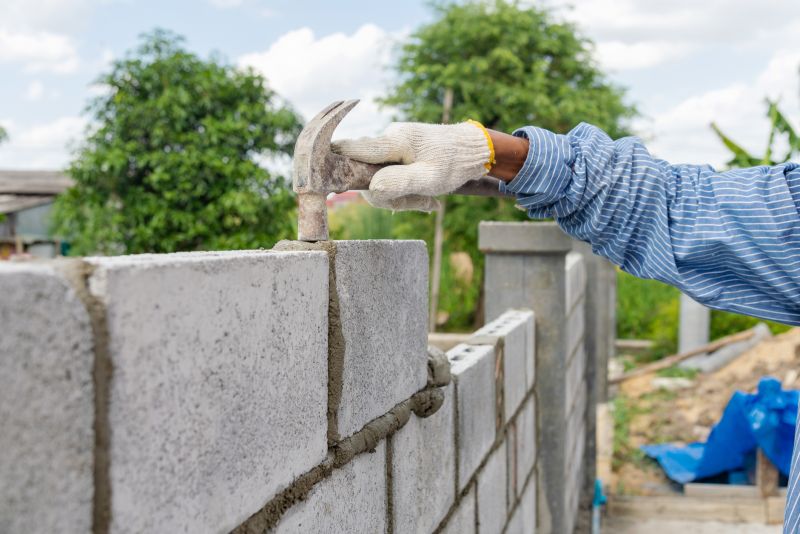
When evaluating service providers for brick, stone, or block wall repair, it is essential to consider their experience with similar projects. An experienced contractor will understand the common causes of damage in brick, stone, and block walls, such as moisture infiltration, settling, or freeze-thaw cycles, and will be familiar with the best practices for addressing these issues. Looking into their past work or asking for references related to similar repairs can help gauge their expertise and ensure they have successfully handled problems comparable to what the project requires.
Clear written expectations are a key factor when comparing local contractors. A reputable service provider should be able to provide a detailed scope of work, outlining the repair process, materials to be used, and the anticipated results. This transparency helps prevent misunderstandings and ensures that both parties have aligned goals. Homeowners are encouraged to ask for written estimates or proposals, which can serve as a reference point throughout the project and clarify what is included in the repair services.
Reputable references and good communication are vital when choosing a contractor for brick, stone, or block wall repairs. Service providers with positive references from previous clients demonstrate a history of satisfactory work and professionalism. Additionally, clear and consistent communication from the contractor can make the process smoother, allowing homeowners to stay informed about progress, ask questions, and address concerns promptly. These qualities contribute to a more confident decision and a higher likelihood of a successful repair that effectively addresses the common causes of damage in these types of walls.
Property owners often search for common causes of damage in brick, stone, and block walls when they are planning practical projects around their homes and businesses. Local pros provide Brick, Stone, and Block Wall Repair services for everyday jobs and straightforward project options.
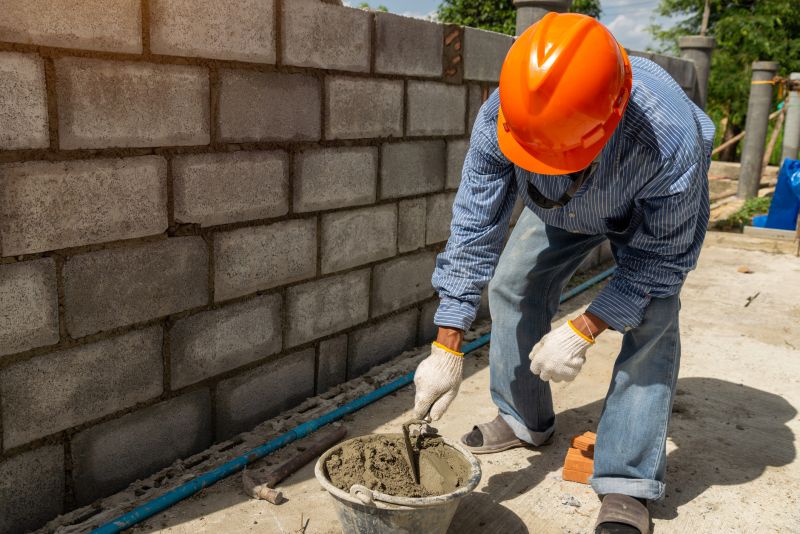
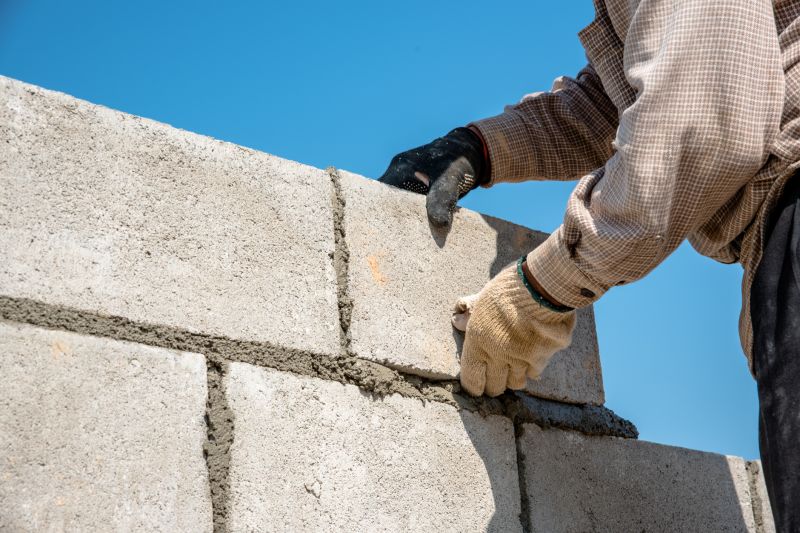
Understanding the common causes of damage in brick, stone, and block walls can help property owners identify issues early and seek appropriate repairs. Everyday situations such as exposure to harsh weather conditions, like heavy rain or freeze-thaw cycles, can lead to cracks and deterioration over time. Additionally, poor drainage around the property can cause water to seep into the walls, weakening the mortar and masonry materials. These common problems often result from natural environmental factors or inadequate maintenance, prompting property owners to look into professional repair services to restore the integrity and appearance of their walls.
Other frequent causes include physical impacts from accidents or nearby construction activities, which can cause chips, cracks, or displacement of masonry units. Shifts in the foundation or ground movement can also exert stress on these walls, leading to structural issues. For property owners noticing signs of damage, connecting with experienced service providers can ensure that repairs address the root causes and prevent further deterioration. Local contractors specializing in brick, stone, and block wall repair can assess the damage and recommend effective solutions to maintain the safety and aesthetic appeal of the property.
What are common causes of damage in brick, stone, and block walls? Common causes include water infiltration, freeze-thaw cycles, structural movement, and poor construction practices, all of which can lead to cracks, spalling, or mortar deterioration. Local contractors can assess these issues and provide appropriate repairs to restore wall integrity.
How does water infiltration damage brick, stone, and block walls? Water can seep through cracks or porous materials, leading to mortar erosion, efflorescence, and internal weakening. Service providers experienced in wall repair can identify and address water entry points to prevent further damage.
Can temperature changes cause damage to these walls? Yes, freeze-thaw cycles cause expansion and contraction that can crack or spall the masonry. Local pros can evaluate the extent of damage and recommend suitable repair or reinforcement solutions.
What role does structural movement play in damaging brick, stone, and block walls? Shifts in the foundation or settling can create stress and cracks in the walls. Skilled service providers can diagnose movement issues and perform stabilization or repair work to prevent further deterioration.
Are poor construction practices a common cause of damage in these walls? Improper mortar application, inadequate reinforcement, or substandard materials can lead to vulnerabilities. Local contractors can repair or reinforce walls to improve durability and prevent future damage.
Water infiltration issues - Property owners can learn to identify signs of water penetration and work with local contractors to improve drainage and waterproofing around brick, stone, and block walls.
Freeze-thaw damage prevention - Understanding how temperature fluctuations affect masonry can help homeowners plan for proper insulation and repairs with local service providers.
Structural settlement concerns - Recognizing early signs of shifting or settling walls allows property owners to engage local pros for foundation assessments and stabilization solutions.
Poor construction or materials - Identifying flaws in original building work can guide property owners to seek repairs or reinforcements from experienced local contractors.
If you are thinking about common causes of damage in brick, stone, and block walls for a property, this guide is meant to help you understand this topic, the typical project types, and how different options might fit your plans.
When you are ready, you can use the quote form on this page to share a few details about your project. From there, local pros can review the basics and follow up with options that match what you have in mind.